Discovery and Integration Core
Mechanisms & systems
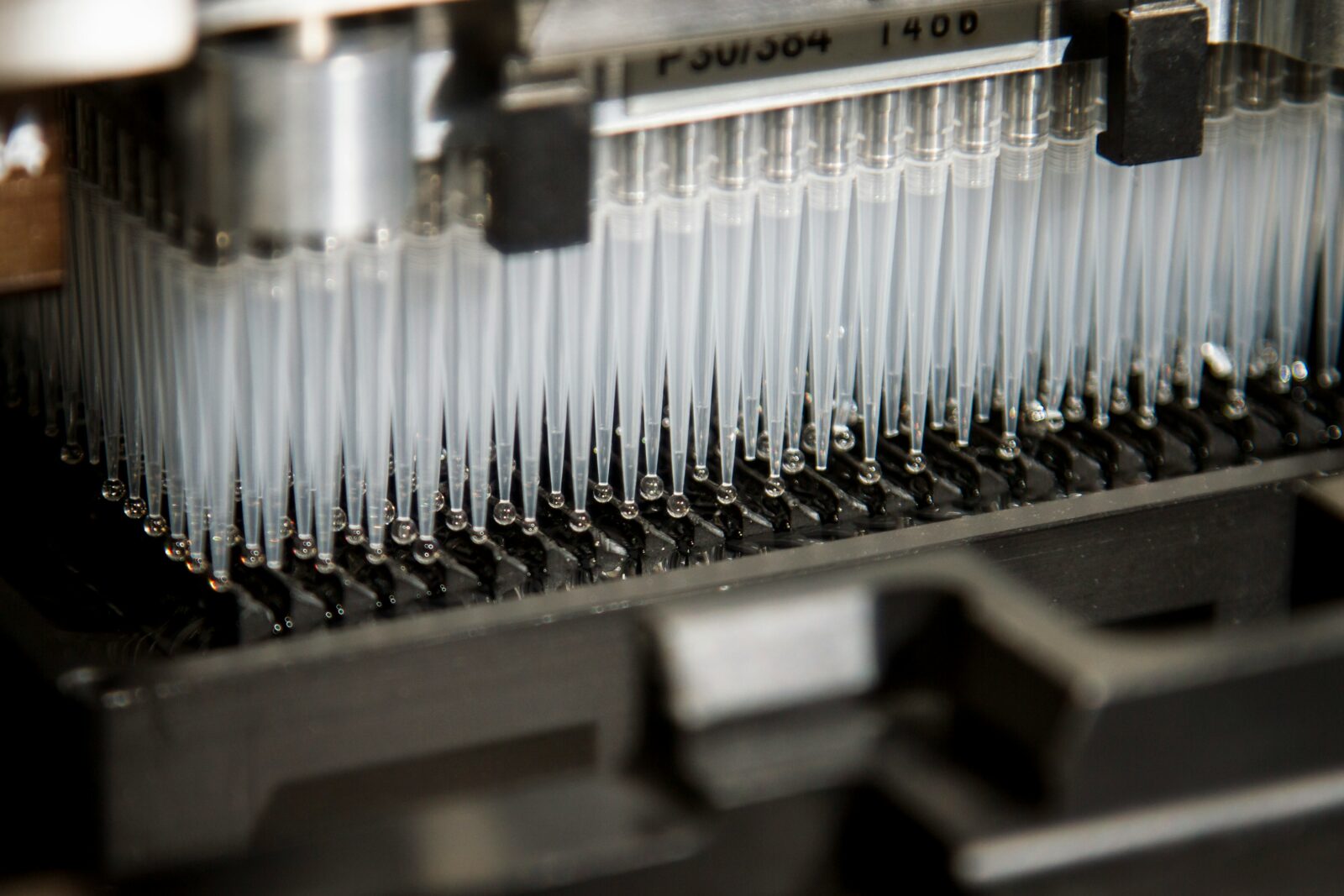
The Discovery and Integration Core facilitates mechanistic discovery in the basic biology of aging, providing access to cutting edge innovative technologies and supporting the development of tailored and advanced data analysis approaches. Features include the Molecular Profiling Service Hub, the Integrative Data Science Partnership to facilitate biostatistics, data analysis, and machine learning, and the Innovation Kitchen that annually solicits applications to address top technological barriers and implement strategic development.
D&I Core Directors
Leader
Audrey Gasch, PhD
agasch@wisc.edu

Co-Leader
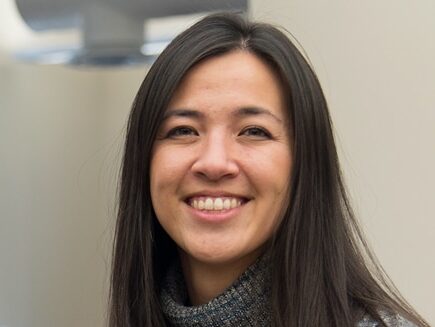
Judi Simcox, PhD
jsimcox@wisc.edu
Co-Leader
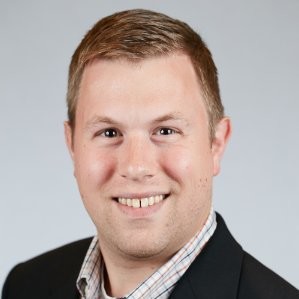
Timothy Rhoads, PhD
timothy.rhoads@wisc.edu
Features of the D&I Core
Leader: Audrey Gasch, PhD – agasch@wisc.edu
Matchmaker for Data Science & Biology Investigators
This is a novel mechanism to collaboratively match data scientists and metabolism of aging investigators, enabling new capabilities, fostering new perspectives, and providing a foundation for transformative research. Experts in biostatistics, data analysis, and machine learning expertise will be paired with basic aging researchers to advance the Data Science of Aging. The partnership will be focused on larger scale, multidimensional aging studies that incorporate many data types that span molecular to organismal scales. The scale of biological datasets has increased dramatically in recent years, as had the multivariate nature of the analyses. The ever-increasing variety of omics techniques has ushered in an era of high-throughput biology, and the recent and rapid development of machine learning and artificial intelligence tools promises to expand our ability to understand biological datasets of growing size and complexity. Recognizing that the best solution to these data-analysis challenges is a team science approach, the IDSP will facilitate collaborations between investigators with high-dimensional and sophisticated data analysis needs and data scientists across campus.
UW Madison partners in the Integrative Data Science Partnership include the Data Science Institute (Director Kyle Cranmer), the Center for Genomic Science Innovation (Director Audrey Gasch), the University of Wisconsin Carbone Cancer Center’s Cancer Informatics Shared Resource (Director Colin Dewey), the Department of Biostatistics and Medical Informatics (Chair Michael Newton), the Bioinformatics Resource Center within the University of Wisconsin Biotechnology Center (Director Christopher Bradfield), and the Center for High-Throughput Computing (Director Miron Livny).
Operational details: Finn Kuusisto is the Integrative Data Science Coordinator who will meet with the biology of aging researchers to hear about their projects and suggest appropriate methods and avenues for data science analysis. Investigators and their labs are matched with data scientists who can develop custom analyses and approaches, incorporating techniques such as machine learning classification, neural networks and large language models to identify patterns in very large datasets, and other methods as they emerge. Following consultation with investigator to identify the proposed analyses through the center, the scope and timeline of the project will be established, and a collaborating data scientist who will interact with the investigator’s lab will be identified. For programs electing to work with graduate students and post-docs, the data scientist will be embedded in the lab, attend relevant lab meetings, and may participate in a short residency within the investigator’s lab. The Data Science Coordinator will maintain communication for the duration of the project and ensure that project goals are met.
Consultation contact: Finn Kuusisto – finn.kuusisto@wisc.edu
Leader: Judi Simcox, PhD – jsimcox@wisc.edu
New tools and reagents
The vision of the Innovation Kitchen is to function as a forward-looking mechanism that expands, enhances, or creates cutting edge resources, capabilities, and products that will augment biology of aging research locally, regionally and nationally. The Innovation Kitchen will develop new resources proposed by aging investigators through an annual competition. Selected applications for new technical, methodological, and analytical product development will be advanced for strategic development and implementation. New products will be made available throughout the NSC network and nationally, providing tools that enhance biology of aging research.
Operational details: WiNSC will solicit proposals and ideas from biology of aging research investigators to identify essential new reagents, products or capabilities. Petitions will be prioritized based on impact, feasibility, and potential for development of new lines of research. WiNSC will work with the petitioner and WiNSC affiliated investigators with the appropriate skills to develop the idea and bring it from concept to actualization with costs covered in full.
Molecular Profiling Hub
Leader: Timothy Rhoads, PhD – timothy.rhoads@wisc.edu
The Molecular Profiling Hub incorporates capabilities in a diverse array of molecular profiling approaches, taking advantage of existing resources on campus, specifically core facilities within the University of Wisconsin Biotechnology Center. Guidance in experimental design, advice on technical considerations, and assistance in engaging with the following core facilities within the UWBC will be provided.
Gene Expression Center
RNAseq experiments, fee-for-service support for project design, sample preparation, sequencing, and downstream analysis is available in partnership with the UWBC DNA Sequencing Facility and the Bioinformatics Resource Center.
Next Generation Sequencing Core
The DNA Sequencing Facility provides access to cutting edge technologies and methods for nucleotide sequencing. Techniques include DNA extraction, genotyping, and sequencing services via an array of sequencing instrumentation.
Mass Spectrometry Core
The Mass Spectrometry Core offers a wide range of analytical services, broadly divided into proteomics, lipidomics, and small molecule analyses.
Bioinformatics Resources Core
The Bioinformatics Resource Core (BRC) is a cost-recovery facility within the UW Biotechnology Center (UWBC) that is dedicated to assisting researchers with their data analysis needs.
Specialized Mass Spectrometry Laboratories
A unique advantage at UW–Madison is the presence of several leading research labs focused on the development of mass spectrometry technology. These include:
Our research partners at UW Madison

Wisconsin Nathan Shock Center
1685 Highland Avenue
Madison, WI 53705
Contact Us:
winsc@medicine.wisc.edu