Symposium
Save the Date: 2027 WiNSC Annual Symposium
Tuesday, May 11, 2027
Discovery Building | University of Wisconsin–Madison
Please save the date for the 2027 Wisconsin Nathan Shock Center (WiNSC) Annual Symposium.
The WiNSC Annual Symposium brings together investigators, trainees, and collaborators to share discoveries in the biology of aging, showcase aging-related research, foster new collaborations, and strengthen connections across the Wisconsin aging research community.
The symposium will feature scientific presentations, trainee participation, networking opportunities, and a research poster session highlighting aging-related work from across UW–Madison and partner institutions.
Additional details will be announced in the coming months.
We look forward to convening investigators, trainees, and collaborators from across the aging research community on May 11, 2027.
2026 WiNSC Annual Symposium Recap
May 12, 2026 | Discovery Building, UW–Madison
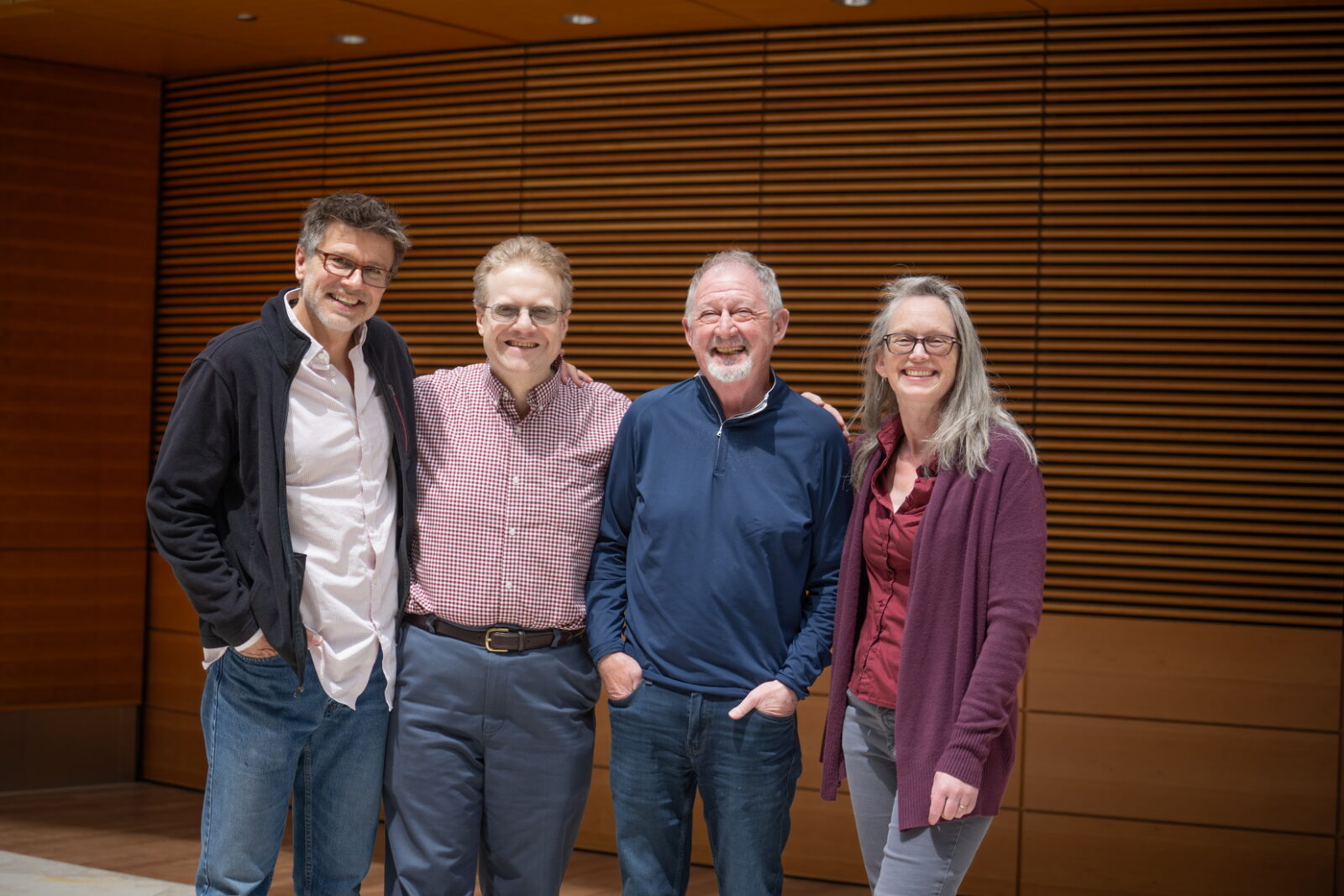
The Wisconsin Nathan Shock Center (WiNSC) hosted its inaugural Annual Symposium on May 12, 2026, at the Discovery Building on the UW–Madison campus. The full‑day event brought together investigators, trainees, and collaborators to explore current research in the biology of aging, with a focus on the 2026 theme, Metabolism of Aging.
The symposium featured a full day of scientific presentations spanning molecular, physiological, translational, and clinical perspectives on aging and metabolism. Approximately 150 attendees participated in the symposium, with strong participation from faculty and trainees, including graduate students and postdoctoral scholars, alongside research staff and collaborators.
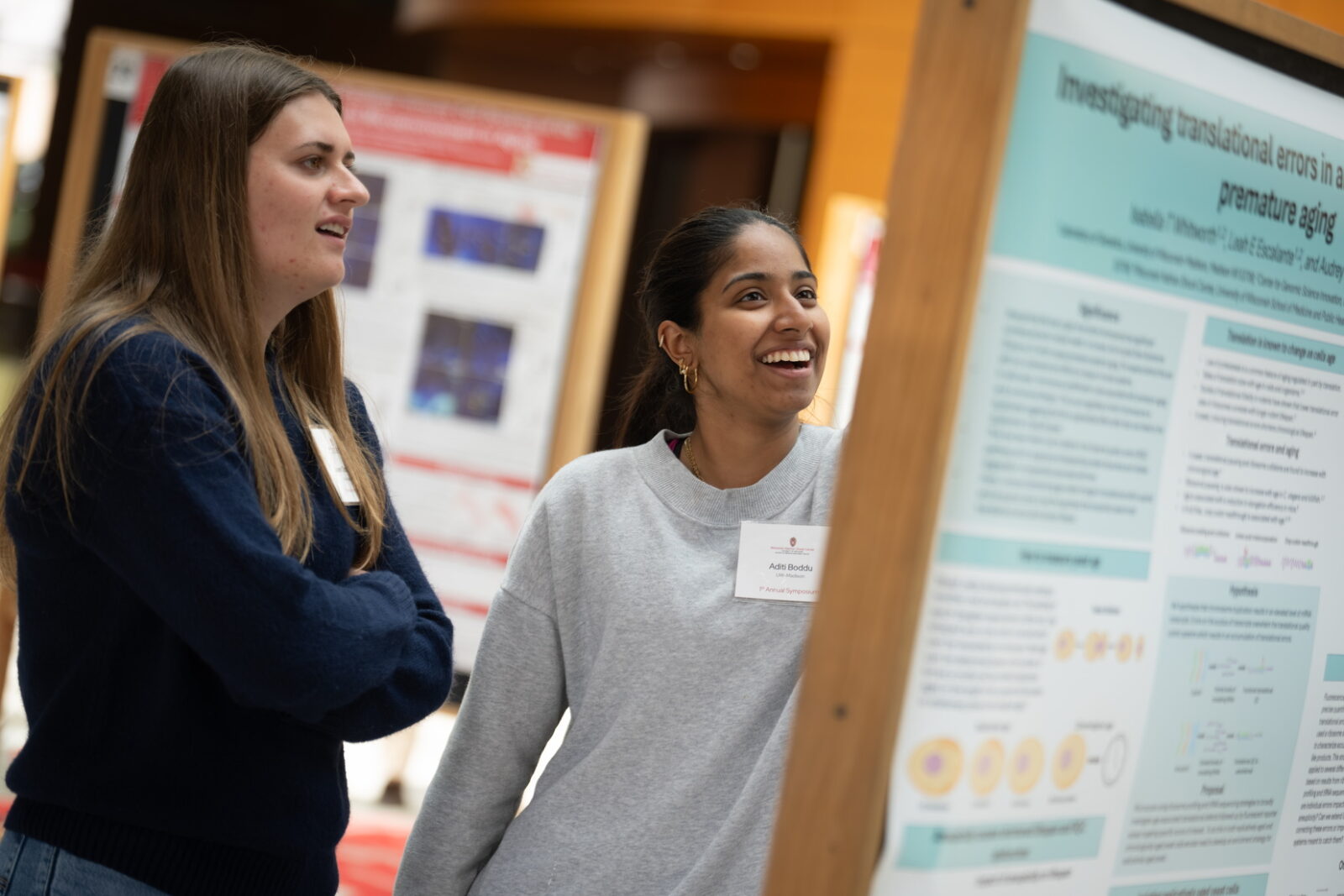
The program opened with welcoming remarks from Rozalyn Anderson, PhD, Director of WiNSC, followed by a full day of research talks examining metabolic drivers of aging and age‑related disease. Visiting speakers included Joseph A. Baur, PhD (University of Pennsylvania), Daniel Belsky, PhD (Columbia University), Michael Snyder, PhD (Stanford University), Amy K. Walker, PhD (UMass Chan Medical School), and Peter Mullen, PhD (University of Southern California).
Investigators from UW–Madison also presented throughout the program, sharing research that reflects the breadth of aging‑related work across campus. Across the symposium, presentations addressed topics including NAD metabolism, neuronal and gut–brain metabolic pathways, precision diabetes and remote monitoring, aging biomarkers and human clinical trials, methylation and stress responses, and translational perspectives on neurodegeneration and cardiovascular disease.
During the afternoon program, WiNSC recognized Richard Weindruch, PhD, Emeritus Faculty member, with the Pioneer in Aging Award. Dr. Weindruch is a foundational figure in the field of aging biology and the namesake of the Weindruch Scholar Award, which supports emerging investigators in aging research. The recognition honored his longstanding contributions to the science of aging and his lasting impact on the research community at UW–Madison and beyond.
The scientific program concluded with remarks from Anjon Audhya, PhD, Vice Dean for Research at the UW–Madison School of Medicine and Public Health, who highlighted UW–Madison’s strong institutional commitment to aging research, the university’s historic and ongoing leadership in metabolism research aligned with the symposium theme, and its role as a hub of innovation in biomedical and translational science.
The symposium concluded with a poster session and networking reception, which served as a central forum for scientific exchange and discussion. Approximately 40 research posters were displayed, representing work from UW investigators and trainees across a wide range of aging‑related disciplines. The poster session highlighted the breadth of aging‑related research across the WiNSC community and provided opportunities for discussion, feedback, and cross‑disciplinary engagement.
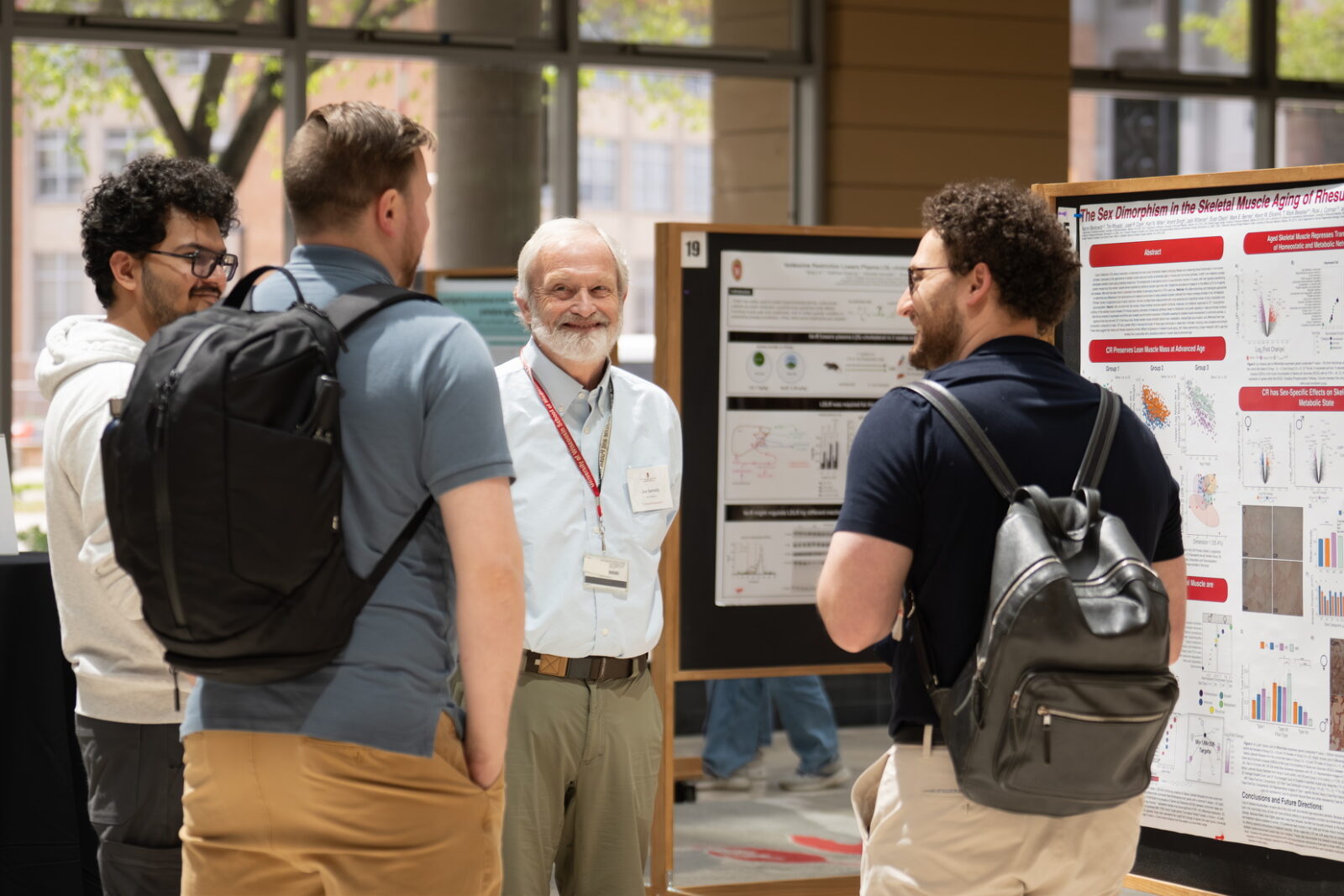
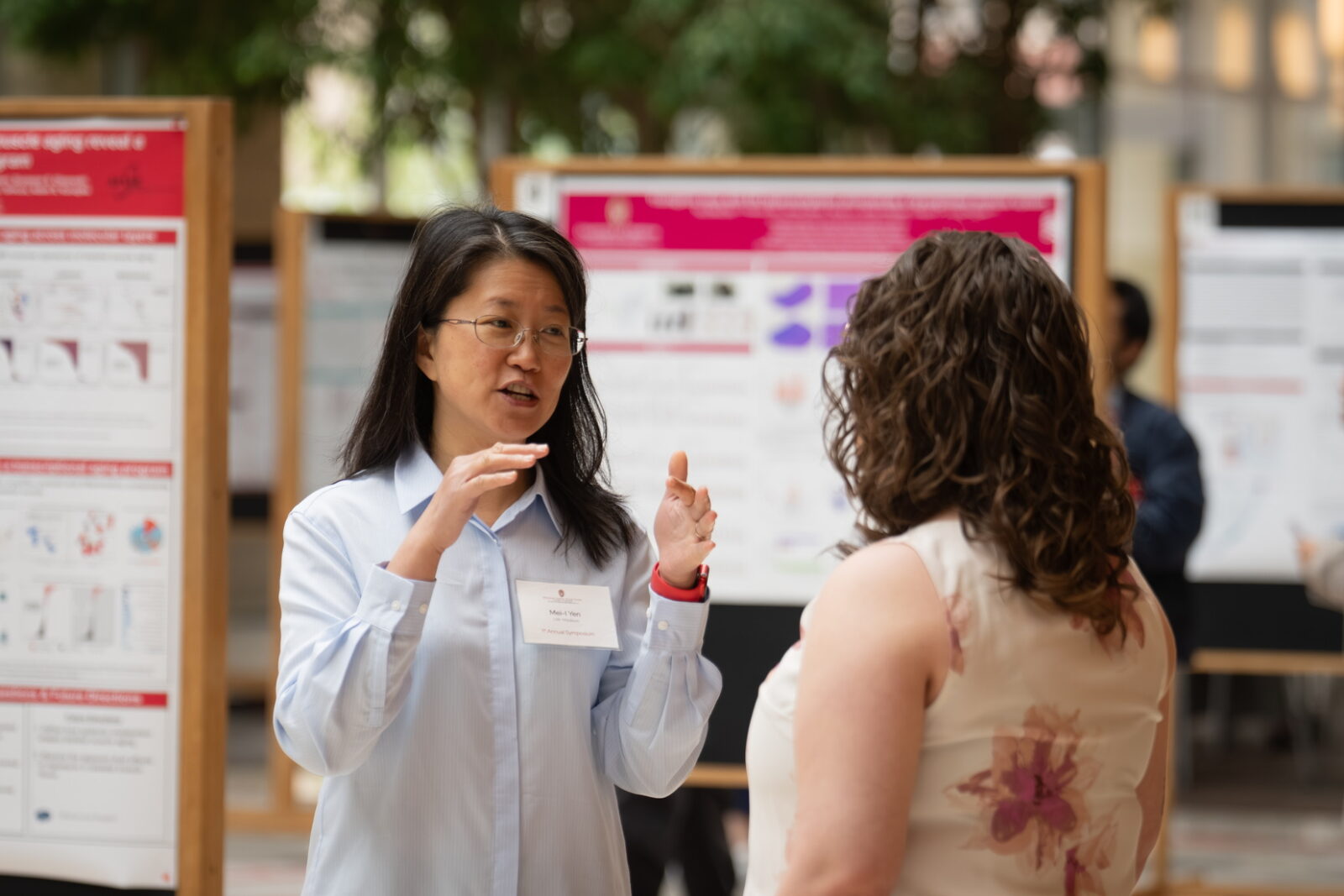
Following the symposium, attendee votes were used to identify Fan Favorite Poster Award recipients, recognizing outstanding poster presentations for scientific rigor, innovation, and clarity of communication. The following presenters were selected:
Fan Favorite Poster Award Recipients
- John Shuster (Graduate Student, Simcox Lab, Biochemistry)
Optimization of Oxylipin Analysis with Liquid Chromatography Mass Spectrometry through Bio‑Inert Systems and Ion Funnel Adjustments - Cassandra McGill (Postdoctoral Fellow, Anderson Lab, Geriatrics and Gerontology)
Sex Dimorphism in Aging and Metabolic Rejuvenation by AdipoRon - Yutong Bao (Graduate Student, Galmozzi Lab, Endocrinology; Cellular and Molecular Biology Graduate Program)
PEPCK Regulates Adipose Tissue Energy Balance and Lipid Homeostasis
The 2026 WiNSC Annual Symposium underscored the Center’s commitment to advancing collaborative aging research and strengthening connections across UW–Madison, partner institutions, and the broader Nathan Shock Center network.
All photo credit: Clint Thayer/Department of Medicine